

Who Is Responsible for Preserving Evidence After a Fatal Car Accident?
Last Updated: November 4, 2026
Quick Summary
Preserving evidence after a fatal car accident is a shared legal duty held by police, emergency responders, vehicle owners, insurers, and anyone who anticipates litigation. Families and their representatives must protect what police do not, including photographs, witness contacts, medical records, and the vehicle itself.
Police secure the scene, photograph damage, measure skid marks, and file the official report.
Send a written hold notice to the tow yard and insurer the same week to keep the wrecked car.
Download event data recorder data early, before it is overwritten or the module is scrapped.
Send an evidence preservation letter naming specific records to the other driver, insurers, and nearby businesses.
Do not delete social media posts after a crash, since deletion can look like tampering.
Table of Contents
Who Is Responsible for Preserving Evidence After a Fatal Car Accident?
A fatal crash scene gets cleaned up fast. Tow trucks haul the wreckage away, crews sweep the road, and traffic starts moving again within hours.
Multiple parties carry a legal duty to preserve evidence: police, emergency responders, vehicle owners, insurers, and anyone who anticipates litigation. If any of them drops the ball, key facts can vanish.
Below, we break down who preserves what, plus a checklist you can act on today.
Preserving evidence after a fatal car accident is the legal duty to protect physical, digital, and documentary proof from loss or alteration. This includes skid marks, vehicle data, witness statements, and medical records.
What Police and Responders Preserve at the Crash Site
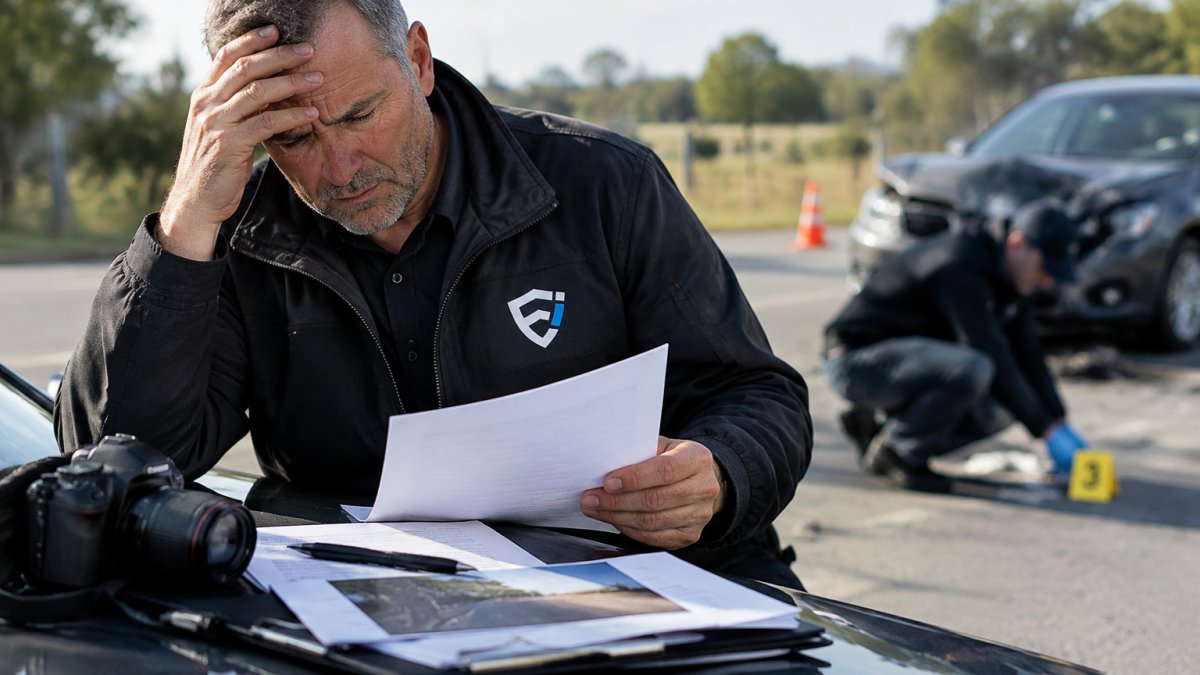
Law enforcement handles the first layer of documentation. Officers secure the crash site, photograph vehicle damage, measure skid marks, and map debris patterns. They also collect witness statements and file the official police report.
Traffic homicide units may go further, calling in accident reconstruction specialists to analyze the scene.
But police do not preserve everything. Once the scene clears, their job is largely done. Families and their representatives must fill the gaps.
What Families and Representatives Must Preserve Themselves
Families often assume the police report covers it all. It does not.
Here is what you or your attorney need to protect:
Photographs and video of the crash site, vehicles, and injuries
Witness contact information, gathered before memories fade
Medical records from every treating provider
The vehicle itself, held in a secure lot rather than sold or repaired
Personal items from the vehicle, left untouched where possible
A common mistake is letting an insurance adjuster talk you into a quick settlement before evidence is secured. Slow down. Once you sign, your use drops.
The Fatal Car Accident Evidence Checklist
Use this fatal car accident evidence checklist to organize your actions in the first days and weeks. It keeps the documentation process from falling through the cracks.
Within the first 24 to 72 hours
Get the police report number and the responding officer's name, badge number, and agency. Ask which unit handled the scene and whether a traffic homicide or reconstruction team was called.
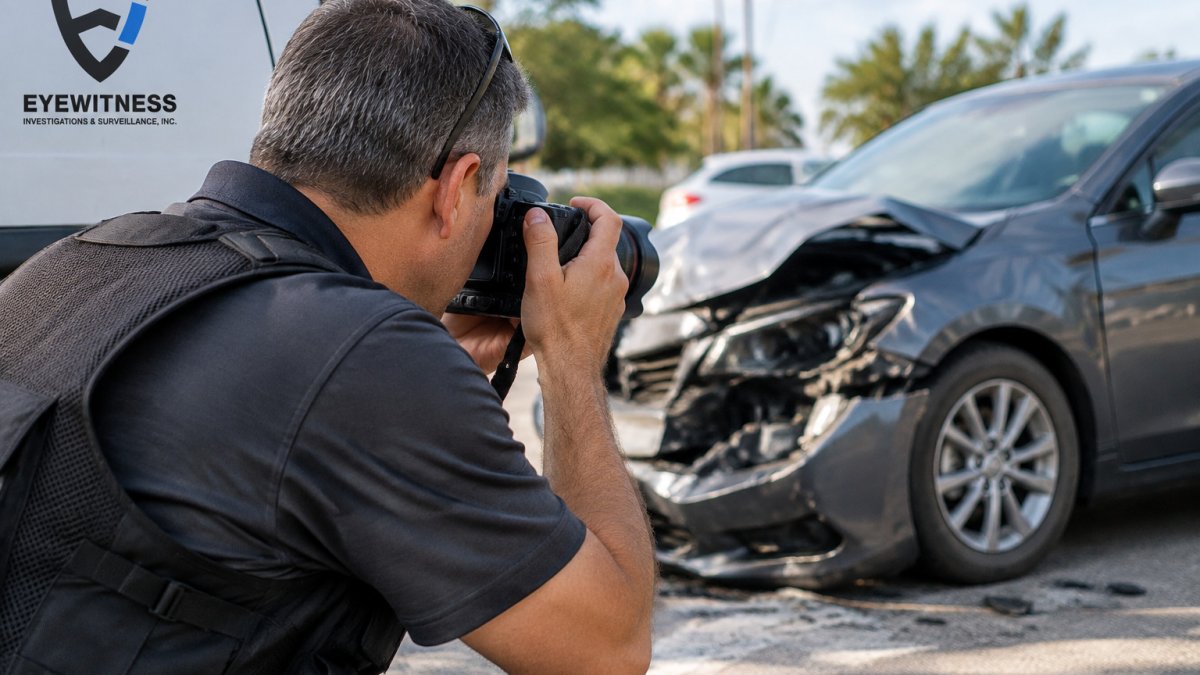
Photograph the vehicles, the road, and any visible skid marks from multiple angles, including wide shots that show the surrounding intersection, signage, and sight lines. Keep the original files unedited.
Collect names, phone numbers, and emails from every witness, and note where each witness was standing when the crash happened. Memory fades fastest on position and timing.
Tell the tow yard and the insurer, in writing, to hold the vehicle. A phone call is not enough; a written hold notice creates a record if the car is later moved or sold.
Notify your insurer in writing and keep a log of every call, including the date, time, representative's name, and what was said.
Within the first two weeks
Request a copy of the crash report and compare it against your own notes. Report errors to the agency in writing.
Send an evidence preservation letter to the other driver, their insurer, any commercial vehicle company involved, and nearby businesses that may hold surveillance video. Name the specific records you want kept.
Gather medical records and bills as treatment continues, and keep a continuous treatment log. Gaps in care are used to argue injuries were not serious.
Save all receipts, including towing charges, storage fees, rental costs, and funeral expenses.
Identify whether the vehicle has an event data recorder and arrange for a qualified expert to download the data before it is overwritten.
Ongoing through the claim
Avoid posting details on social media, and ask family members to do the same.
[ ]
Log every conversation with an adjuster and decline any settlement offer until the evidence is secured.
Watch out: a signed release or a quick settlement can end your ability to demand evidence later, so do not sign anything before the preservation steps above are complete.
Keep copies of everything in two places. Paper fades, and digital files get deleted. A written log of who you contacted, when, and what they said is often the difference between a preserved record and a disputed one.
Preserving a Wrecked Car After a Fatal Accident
Preserving a wrecked car after a fatal accident means keeping the vehicle in a secure, documented location so it can be inspected later. The car is often the single most valuable piece of physical evidence in a fatal crash case.

Watch out: if the insurer declares the car a total loss and sends it to auction, it can be crushed before anyone inspects it. Send a written hold notice to the tow yard and the insurer the same week. Note the vehicle identification number.
Damage patterns, seat belt use, and airbag deployment all tell a story. An investigator who reads that story early can spot tampering or inconsistencies.
Preserving Vehicle Event Data Recorder Evidence
Preserving vehicle event data recorder evidence means downloading the crash data before it is overwritten or the vehicle is destroyed. Most modern cars store speed, braking, and steering data in an event data recorder, often called the "black box."
That data can confirm or challenge a driver's account. It can also show whether brakes were applied before impact.
The catch: the data can be overwritten after a set number of additional events, and it disappears if the module is damaged or scrapped. Download it early, through a qualified expert or with a court order if needed.
Sending an Evidence Preservation Letter After a Fatal Accident
An evidence preservation letter after a fatal accident is a written demand telling the other side to keep relevant records. It puts them on notice that litigation is likely.
Send it to:
The other driver and their insurer
Any commercial vehicle company involved
The vehicle's manufacturer, if a defect is suspected
Businesses near the crash site that may hold surveillance video
The letter should name the specific evidence: vehicle data, dispatch records, driver logs, and camera footage. Broad requests get ignored. Specific ones create a paper trail.
Spoliation of Evidence: What Happens When Records Disappear
Spoliation of evidence is the destruction or alteration of evidence that a party had a duty to preserve. Courts can sanction the responsible party, and in serious cases, a judge may instruct the jury to assume the lost evidence hurt that party's case.
That is why the preservation letter matters. Once a party has constructive notice that a claim is coming, deleting records or scrubbing video looks deliberate. The Federal Rules of Civil Procedure govern how evidence is handled during the discovery process in federal cases, and state courts follow similar principles.
Photographs, Witness Statements, and Medical Records That Hold Up in Court
Evidence only helps if it survives legal scrutiny. Three categories need special care.
Photographic evidence must be authenticated. Keep the original files, note the date, time, and location, and avoid heavy editing. A clean chain of custody matters more than a dramatic image.
Witness statements should be recorded in the witness's own words, signed, and dated. Follow a structured method to verify a witness statement after a crash so it holds up under cross-examination.
Medical records should be complete and continuous. Gaps in treatment give the other side room to argue the injuries were not serious. Keep every visit, scan, and bill.
If surveillance video is part of your case, learn how courts handle admissible surveillance evidence in court before you rely on it.
Social Media, Cloud Storage, and the Digital Evidence Trail
Social media is where good cases go bad. A single post about a vacation, a workout, or a "feeling great" update can be used to challenge injury claims.
Here is how to protect the digital side:
Set accounts to private, but assume nothing is truly hidden. Private posts can still surface through friends, tags, and screenshots.
Do not delete posts after a crash. Deletion can look like tampering, and courts can order parties to produce records of deleted content.
Preserve messages, photos, and videos that may be relevant, including texts with witnesses and messages with the other driver's insurer.
Store copies in cloud-based evidence storage with timestamps intact, and keep the original files rather than edited or cropped versions.
Tell family members not to post about the case, and ask them not to tag you in photos or check-ins.
Cloud storage keeps files backed up and time-stamped, which supports the chain of custody. It also protects against a lost phone or a wiped drive.
Watch out: editing a photo, applying a filter, or cropping it can undermine authentication later, so keep the unedited original alongside any enhanced copy.
The legal stakes go beyond embarrassment.
Booking an Independent Crash Investigation
An independent crash investigation gives families and their attorneys a second set of trained eyes on the evidence. Police reports are thorough, but they are built for the criminal side.
A qualified investigator can reconstruct the crash, preserve vehicle data, interview witnesses, and document the scene before it changes. For families, that means clearer facts.
If you are deciding who to hire, review experienced private investigators for traffic homicide cases and compare their reconstruction background before you commit. You can also book a crash reconstruction case directly with our team.
Our work is discreet, and our reports are built for legal and insurance proceedings.
A fatal crash leaves families and claims teams racing a clock. Evidence gets moved, overwritten, or destroyed, and the people who needed it are left with questions.
Frequently Asked Questions
Who is responsible for preserving evidence after a fatal car accident?
Responsibility is shared. Police and first responders secure the crash site, photograph skid marks and debris patterns, and complete a police report. Families or their representatives must preserve the wrecked vehicle, request the event data recorder, keep medical records and receipts, and send written hold letters to insurers, repair shops, and towing companies. An evidence preservation letter puts those parties on notice, which matters because spoliation of evidence claims can follow if records are destroyed after a duty to preserve arises.
How soon should evidence be preserved after a fatal crash?
Start the same day. Towing companies can move or sell a vehicle within days, and insurers may authorize repairs once a claim is filed. Send hold letters within 24 to 72 hours, photograph the scene and vehicle before any repair, and request the event data recorder before the vehicle is released. Waiting weeks can mean lost skid marks, overwritten data, or a repaired car that no longer supports an accident reconstruction.
What should families avoid doing with potential evidence after a fatal crash?
Do not wash or repair the vehicle, do not remove debris from the scene, and do not post details or photos on social media. Do not accept a quick settlement before an accident investigation is complete, and do not sign a release that covers unknown damages. Keep the vehicle in a secure storage lot, document towing charges and funeral expenses, and route all contact with the insurance adjuster through your attorney so nothing is said that undermines the wrongful death claim.
How can a family keep a wrecked vehicle from being repaired or destroyed?
Send a written hold notice to the insurer, the repair shop, the towing company, and the storage yard. State the claim number, the vehicle identification number, and that litigation is anticipated. Pay the storage fees yourself if needed and keep the receipts, since towing charges and storage costs can be recovered. If a party moves to sell or repair the car anyway, your attorney can seek a court order and raise spoliation of evidence.
Comments