

Best Private Investigators in Florida for Traffic Homicide
Table of Contents
What Makes a Private Investigator Qualified for Traffic Homicide and Crash Reconstruction
How to Hire a Private Investigator for an Accident: What You Need to Know
Verify Licensing and Law Enforcement Background
Confirm Specialization in Traffic Homicide Cases
Review Evidence Collection and Documentation Methods
Car Accident Investigation Cost: Understanding Pricing and Engagement Terms
Fee Structures and Engagement Models
Factors That Drive Traffic Homicide Investigation Costs
What to Ask About Pricing
Cost Context: Why Cheapest Often Means Weakest Evidence
How Long Does a Crash Investigation Take: Timeline and Deliverables
Investigation Phases and Typical Timelines
Total Investigation Duration by Case Type
What Extends Timelines (and What You Can Control)
Standard Investigation Deliverables
Realistic Expectations: Why Rushing Compromises Evidence
What to Expect: Evidence Collection, Expert Witness Services, and Court Testimony
Red Flags When Selecting an Investigator: Confidentiality, Independence, and Admissibility
Frequently Asked Questions
Last Updated: October 11, 2026
Finding the best private investigators in Florida for traffic homicide and accident reconstruction requires verification of credentials, specialization, and investigative methodology. This guide helps you identify investigators who deliver court-ready evidence.
What Makes a Private Investigator Qualified for Traffic Homicide and Crash Reconstruction
A qualified private investigator in Florida for traffic homicide cases must combine law enforcement background with specialized forensic training. Look for documented experience from agencies like the Florida Highway Patrol or municipal traffic units, this signals familiarity with scene protocols, evidence preservation, and legal admissibility requirements.
Specialization in crash reconstruction is non-negotiable. Traffic homicide investigators work with physics-based collision analysis, vehicle dynamics, and forensic evidence collection, fundamentally different from general investigation work. An investigator should demonstrate knowledge of vehicle inspection techniques, sight line analysis, and evidence documentation that withstands cross-examination.
How to Hire a Private Investigator for an Accident: What You Need to Know
Hiring the right investigator requires careful vetting. You're purchasing evidence quality, legal admissibility, and expert testimony credibility.
Verify Licensing and Law Enforcement Background
Florida requires private investigators to hold an active license from the Department of State, verify directly through the state database. Confirm law enforcement background: How many years? What agencies? What role? An investigator with substantial law enforcement experience carries institutional knowledge about evidence standards, chain of custody, and courtroom procedures.
Confirm Specialization in Traffic Homicide Cases
Ask the investigator: How many traffic homicide cases have you handled? What was your specific role? Request references from attorneys or insurance carriers. Ask whether they've testified as an expert witness in court, courtroom experience demonstrates understanding of how opposing counsel challenges findings.
Review Evidence Collection and Documentation Methods
Ask how the investigator documents scenes: equipment used, multiple angles, sight line measurements, damage pattern preservation. They should explain chain of custody procedures and how documentation standards align with legal requirements. Weak methodology produces inadmissible evidence.
Car Accident Investigation Cost: Understanding Pricing and Engagement Terms
Traffic homicide investigation costs are driven by case complexity, evidence scope, and deliverables, not just billable hours.
Fee Structures and Engagement Models
Private investigators typically use one of three fee models:
Hourly rates range from $75 to $250 per hour depending on experience and background. Hourly engagement works for limited-scope work but traffic homicide cases often exceed estimates as evidence discovery expands scope.
Flat-fee packages bundle deliverables (scene photography, vehicle inspection, measurements, findings) and range from $1,500-$4,000 for straightforward cases and $3,500-$8,000 for traffic homicide investigations. They provide budget certainty but require detailed scope definition upfront.
Retainer arrangements establish a monthly fee ($1,500 to $3,500) for ongoing availability, with hourly rates applied to work performed. Retainers suit cases requiring extended investigation, multiple scenes, or coordination with law enforcement and expert witnesses over weeks or months.
Factors That Drive Traffic Homicide Investigation Costs
Scene complexity is the primary cost driver. Multi-vehicle crashes with disputed fault, pedestrian involvement, or commercial vehicles require significantly more documentation. Each additional vehicle typically adds 15-25 hours of investigation time.
Evidence scope directly affects cost. Traffic homicide cases often require EDR download and analysis ($500-$1,500), sight line studies ($400-$800), 3D scene mapping ($800-$2,000), collision reconstruction modeling ($1,000-$3,000), and expert witness preparation ($2,000-$5,000+).
Timeline urgency affects cost. Investigations within 48-72 hours are more efficient; delayed investigations require more witness interviews and reconstruction modeling to compensate for lost evidence.
Geographic accessibility matters. Remote or highway scenes add mobilization time and cost; urban scenes are typically less expensive.
Expert analysis requirements significantly increase cost. Biomechanical, toxicology, or engineering specialists typically cost $1,500-$5,000 per expert.
What to Ask About Pricing
When requesting a proposal, ask: What deliverables are included? Are expert witness services included or billed separately? What triggers scope expansion? Is there a cap on investigation hours? What happens if the case settles? Are travel, equipment, and third-party costs included?
Cost Context: Why Cheapest Often Means Weakest Evidence
Investigators quoting significantly below market rates typically cut corners: limited scene documentation, minimal vehicle inspection, no EDR analysis. A low-cost investigation producing inadmissible findings wastes your investment and forces you to hire a second investigator.
The right investigator matches scope to case needs and explains why specific analysis is necessary.
How Long Does a Crash Investigation Take: Timeline and Deliverables
Traffic homicide investigation duration depends on case phase, evidence availability, and coordination requirements. Understanding realistic timelines and deliverables prevents unrealistic expectations and helps you plan legal strategy.
Investigation Phases and Typical Timelines
Phase 1: Scene Documentation and Initial Evidence Collection (Days 1-7)
The first week is critical, scene evidence degrades rapidly. An experienced investigator prioritizes scene photography, measurements, witness interviews, vehicle inspection, and weather documentation. This phase typically requires 3-5 days; multi-vehicle collisions may extend to 7-10 days.
Phase 2: Vehicle Analysis and Evidence Processing (Days 8-21)
The investigator focuses on vehicle damage mapping, EDR download and analysis, mechanical inspection, and sight line studies. This phase typically requires 5-10 days; EDR downloads may take 2-3 weeks if manufacturer authorization is required.
Phase 3: Analysis, Reconstruction, and Expert Coordination (Days 22-56)
The final phase involves collision dynamics modeling, expert coordination (biomechanical, toxicology, medical examiner), timeline reconstruction, and report writing. This phase typically requires 10-20 days depending on complexity.
Total Investigation Duration by Case Type
Straightforward single-vehicle accident (clear liability, no fatalities): 10-14 days. Scene documentation and vehicle inspection are sufficient; minimal expert analysis required.
Multi-vehicle accident with disputed liability: 21-35 days. Multiple vehicle inspections, witness interviews, and collision dynamics analysis extend the timeline. Law enforcement coordination may add 5-7 days if vehicles are in custody.
Traffic homicide with single vehicle (vehicle-versus-fixed object, pedestrian, or single-vehicle loss of control): 28-42 days. Fatality investigations require medical examiner coordination, toxicology review, and detailed dynamics analysis. EDR download and analysis add 5-10 days if not immediately available.
Complex traffic homicide (multi-vehicle, disputed liability, pedestrian involvement, commercial vehicles): 42-70 days. Multiple vehicles, extensive witness interviews, law enforcement coordination, and expert analysis (biomechanical, toxicology, vehicle engineering) extend the timeline significantly. If vehicles are in law enforcement custody or require court orders for access, add 10-14 days.
What Extends Timelines (and What You Can Control)
Law enforcement custody of vehicles: If law enforcement is investigating the collision, vehicles may be held as evidence. Investigators cannot access them without law enforcement permission or court orders.
EDR download delays: Modern vehicles record collision data, but downloading requires manufacturer authorization, specialized equipment, or law enforcement cooperation. This can add 2-3 weeks.
Expert availability: If your case requires biomechanical, toxicology, or engineering experts, their availability affects timeline. Experts often have 2-4 week backlogs. Coordinate expert engagement early.
Witness availability: Locating and interviewing witnesses takes time, especially if they've relocated or are reluctant to participate.
Medical examiner reports: In fatality cases, the medical examiner's autopsy report is critical. These typically take 4-8 weeks. Your investigator cannot finalize findings until the autopsy report is available.
Attorney review and revision cycles: Once the investigator completes the draft report, your attorney reviews it and requests revisions or additional analysis.
Standard Investigation Deliverables
A complete traffic homicide investigation should include:
Documentation Package
Comprehensive scene photographs (minimum 50-100 images for complex scenes)
Detailed measurements and diagrams (drawn to scale, showing vehicle positions, sight lines, road features)
Vehicle damage documentation (photographs and written description of all damage)
Weather, lighting, and road condition documentation
Analysis and Findings
Written investigation report (10-30 pages, depending on complexity)
Timeline reconstruction (sequence of events leading to collision)
Collision dynamics assessment (vehicle speeds, impact angles, post-impact motion)
Sight line and visibility analysis (what drivers could or could not see)
Preliminary causation assessment (based on evidence)
Expert Coordination
Event data recorder (EDR) analysis report (if applicable)
Coordination with medical examiner, toxicology, or biomechanical experts
Expert witness availability for deposition and trial testimony
Attorney Support
Detailed findings summary for attorney review
Deposition preparation (investigator reviews findings with attorney and opposing counsel)
Expert witness testimony preparation (investigator explains findings in accessible language)
Court testimony (investigator testifies to investigation methodology and findings)
Realistic Expectations: Why Rushing Compromises Evidence
Attorneys sometimes pressure investigators to complete investigations quickly to meet litigation deadlines. However, rushing a traffic homicide investigation typically produces weaker evidence:
Incomplete scene documentation (missed photographs, measurements, or evidence)
Inadequate vehicle inspection (missed mechanical issues or damage patterns)
Insufficient witness interviews (incomplete statements or missed witnesses)
Premature conclusions (findings based on incomplete evidence)
Inadequate expert coordination (experts lack time for thorough analysis)
A thorough investigator will explain why certain timelines are necessary and resist pressure to cut corners. If your investigator commits to a 2-week traffic homicide investigation, that's a red flag, the timeline is unrealistic for the case complexity.
What to Expect: Evidence Collection, Expert Witness Services, and Court Testimony

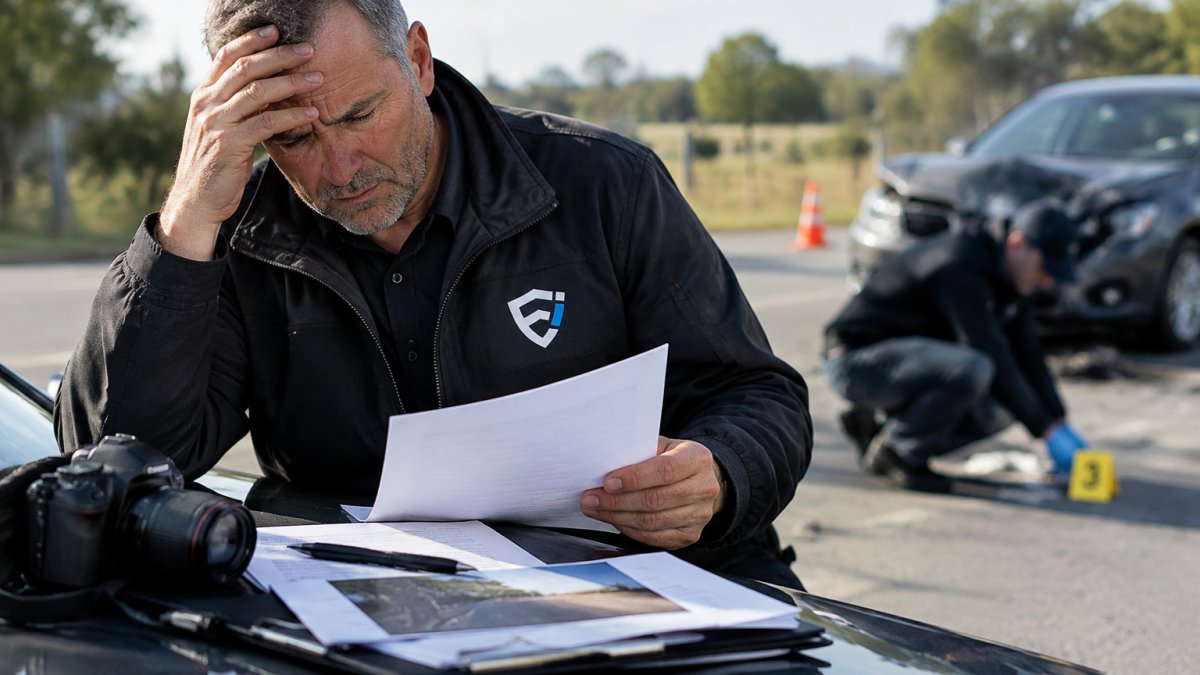
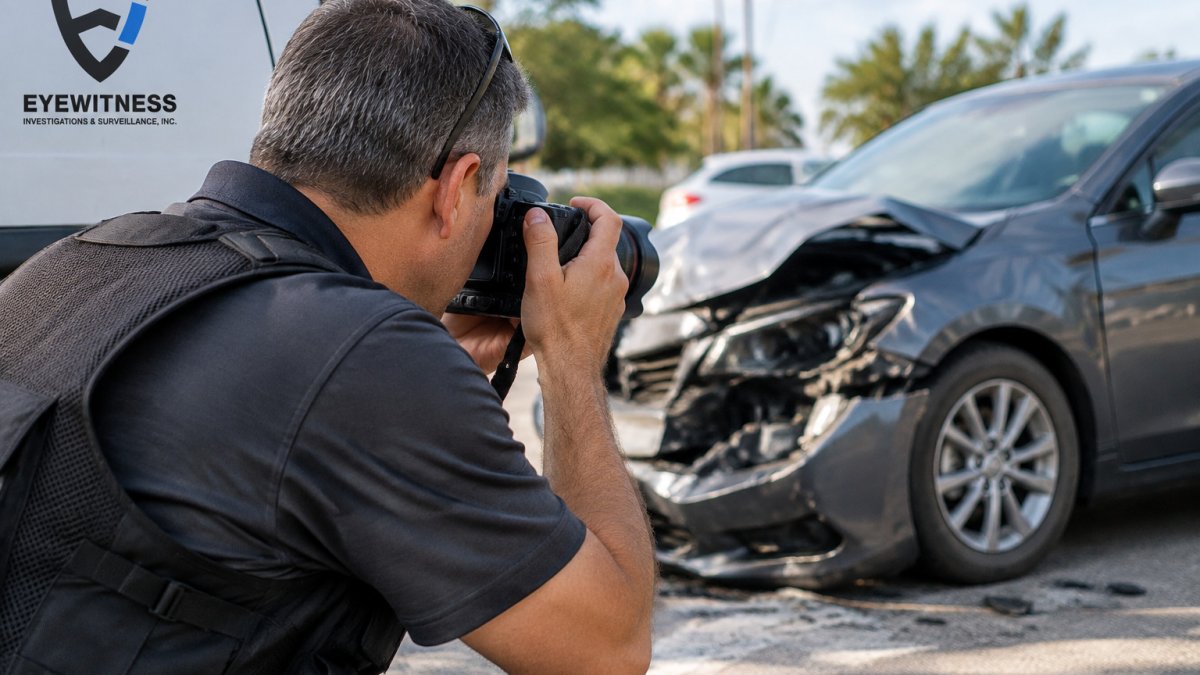
Professional evidence collection follows forensic standards that protect admissibility. Scene documentation begins with overall photography establishing context, then progresses to close-up images of vehicle damage, road conditions, sight lines, and debris patterns. Measurements establish distances critical to collision analysis. The investigator should document weather conditions, lighting, traffic control devices, and any factors affecting visibility or vehicle control.
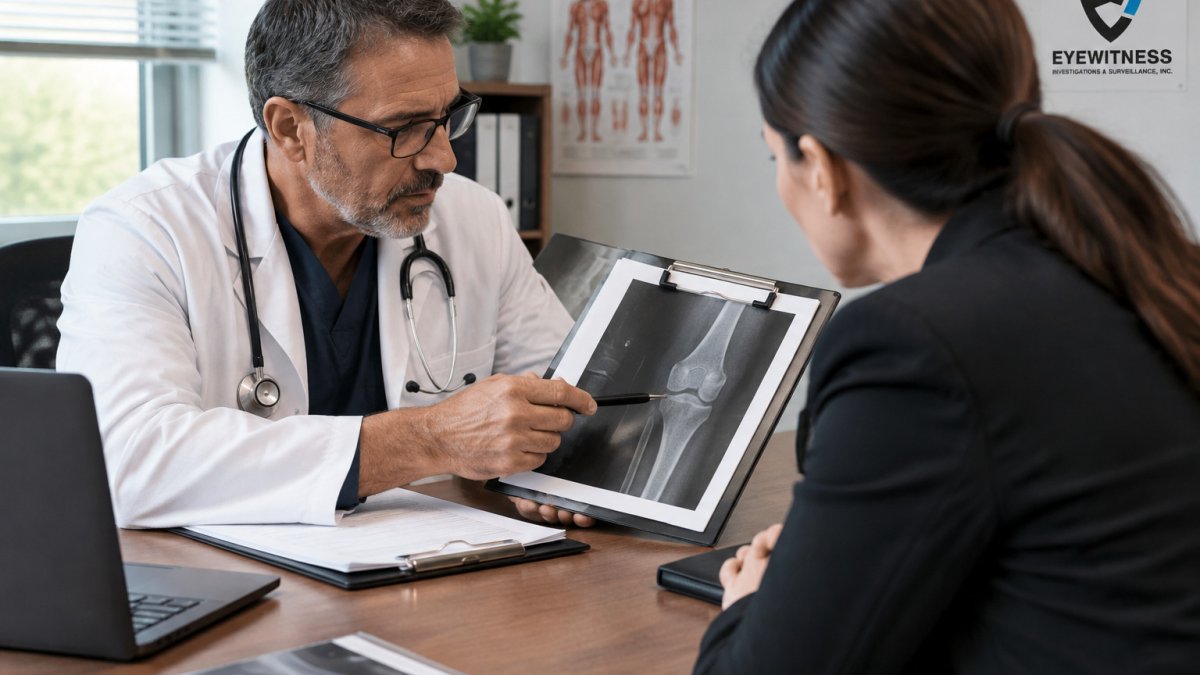
Expert witness services extend beyond investigation. Your investigator should be prepared to review findings with your attorney, explain technical details in accessible language, and testify credibly under cross-examination. This requires someone who understands not just the investigation but also courtroom procedure and how opposing counsel will challenge conclusions. Court testimony credibility hinges on clear methodology, documented evidence, and the investigator's ability to explain findings without equivocation.
Red Flags When Selecting an Investigator: Confidentiality, Independence, and Admissibility
Certain warning signs indicate an investigator may not deliver court-ready evidence. Be cautious of investigators who promise predetermined conclusions. A qualified investigator follows evidence, not client expectations. If someone says "I'll prove your version of events," that's a red flag, they're predetermining findings rather than conducting objective analysis.
Confidentiality concerns warrant careful scrutiny. Ask how the investigator protects case information. Do they sign confidentiality agreements? How do they prevent information leaks to opposing parties? Compromised confidentiality can undermine your legal position. Independence matters equally. An investigator with undisclosed conflicts of interest may produce findings that don't withstand scrutiny.
Admissibility standards should guide methodology. Ask the investigator whether their findings will withstand Daubert challenges in court. This legal standard tests expert testimony reliability. An investigator familiar with Daubert requirements understands that subjective opinions carry less weight than findings grounded in established forensic methodology.
Finding the best private investigator in Florida for traffic homicide and accident reconstruction demands verification of credentials, law enforcement background, and specialization in crash analysis. Eyewitness Investigations & Surveillance combines 17 years of traffic homicide investigation experience with licensed, professional expertise across Florida. Florida Department of State private investigator licensing requirements verify that our team maintains active credentials and meets state standards.
Frequently Asked Questions
What qualifications should a private investigator have for traffic homicide cases?
A qualified investigator must hold a current Florida private investigator license, have law enforcement experience (ideally traffic homicide or crash reconstruction background), and demonstrate knowledge of forensic analysis and vehicle collision physics. Look for investigators with documented years of experience in accident reconstruction, familiarity with Florida traffic laws, and ability to produce court-admissible evidence. Verification of credentials through the Florida Department of State is essential before engagement.
How much does a crash investigation typically cost?
Crash investigation costs vary based on complexity and scope. Initial consultations and case reviews may start at $500, while comprehensive accident reconstruction investigations can range from $1,500 to $3,400 depending on evidence collection, scene documentation, and expert analysis required. Surveillance retainers begin at $2,400. Costs depend on case specifics, timeline urgency, and whether expert witness testimony is needed. Request a detailed fee structure upfront to avoid surprises.
How long does a typical crash investigation take?
Timeline varies significantly based on case complexity. Simple accident investigations may take 2-4 weeks, while traffic homicide cases requiring forensic analysis, vehicle inspection, and expert reconstruction can take 6-12 weeks or longer. Factors affecting duration include scene accessibility, evidence availability, expert witness availability, and whether litigation is pending. Discuss expected timelines and interim reporting schedules with your investigator at the start of the engagement.
Can a private investigator's findings be used as evidence in court?
Yes, when investigations are conducted properly and follow legal evidence collection standards. Admissibility depends on proper documentation, chain of custody, investigator credentials, and compliance with Florida Rules of Evidence. Expert witnesses may testify about findings, and physical evidence must be collected and preserved correctly. Work with an investigator experienced in litigation support who understands what attorneys need for court proceedings and can produce reports that withstand legal scrutiny.
Book Now
Comments